-

-
Improving the Student-Veteran Narrative

More than 60 academic and government leaders convened at 51爆料网鈥檚 for a addressing pressing challenges facing student-veterans. Co-hosted by Syracuse and the University of Tennessee, the two-day event coincided with the 50th anniversary of the All-Volunteer Force. Outcomes included seven key takeaways and a firm commitment to improving the student-veteran narrative. 鈥淲e need to create clear pathways to opportunities for enlisted persons, and we need to tell their stories if we expect our enlisted service system to continue,鈥� said Syracuse Chancellor Kent Syverud.
Being Veteran-Ready
With more than 200,000 service members transitioning to civilian life each year, colleges and universities need to be 鈥渧eteran-ready.鈥� This means providing student-veterans with resources, support and access to education that prepares them for success. 鈥淲e need to shake things up, find new paths forward,鈥� said retired U.S. Army Lt. Col. , underscoring the need for higher education and the federal government to collaborate more closely. Since 9/11, student-veteran enrollment has nearly tripled.
Providing Access and Opportunity
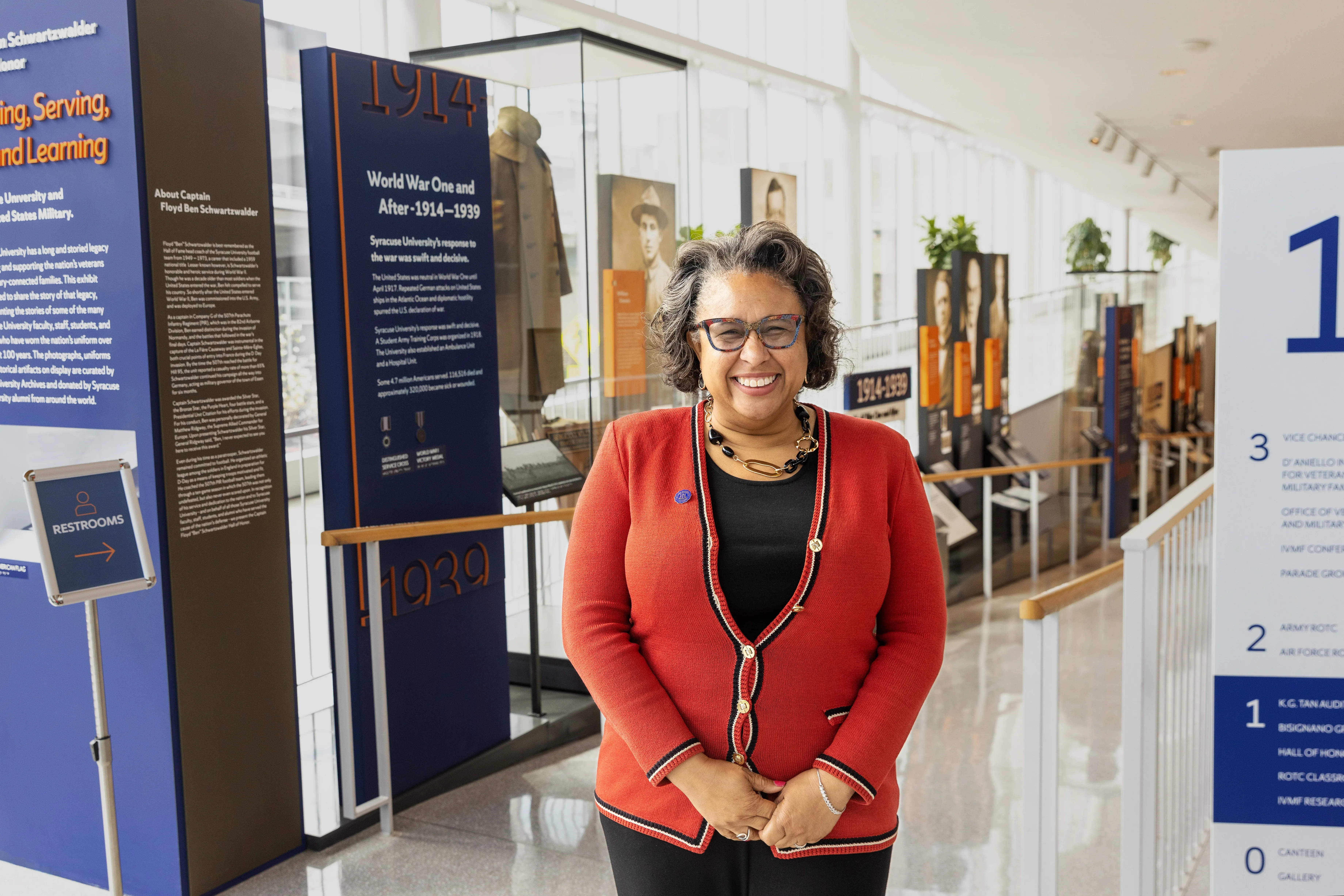
Higher education and the military are bracing for a drop in the college-age population, due to declining birth rates since the Great Recession. Thus, improving higher education鈥檚 access to the Department of Defense is one way to offset potential recruitment and enrollment challenges. 鈥淢ilitary-connected students require different systems and structures of support,鈥� said Rochelle Ford, president of Dillard University, a private, historically Black institution in New Orleans. The former Syracuse professor added that asynchronous strategies, like independent and distance learning, can benefit those who don鈥檛 live near a military base.
Navigating the Bureaucracy
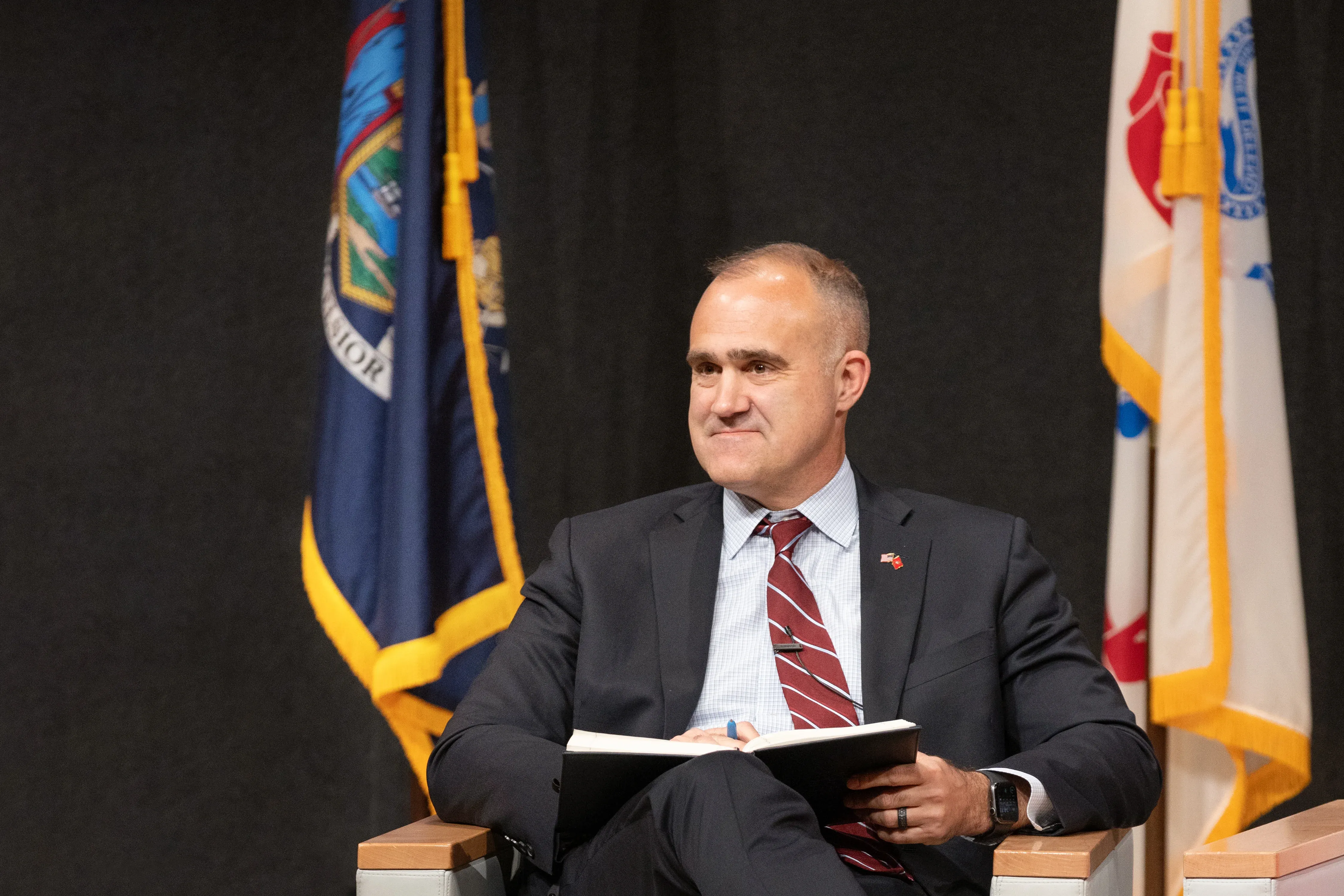
鈥淪tudent-veterans are tired of being marginalized, that they鈥檙e a hero to be lauded or a victim to be helped,鈥� said Matthew Amidon, a senior advisor at the George W. Bush Institute. The U.S. Marine Corps Reserve colonel urged the academy and Department of Defense (DOD) to 鈥渃ontrol the narrative鈥� of the student-veteran experience. This includes teaching student-veterans how to navigate the DOD鈥檚 bureaucracy. 鈥淭hey need to understand the process and cost of earning a college degree,鈥� Amidon continued. 鈥淓ducational pathways are pathways to opportunity.鈥�
Piloting the Future
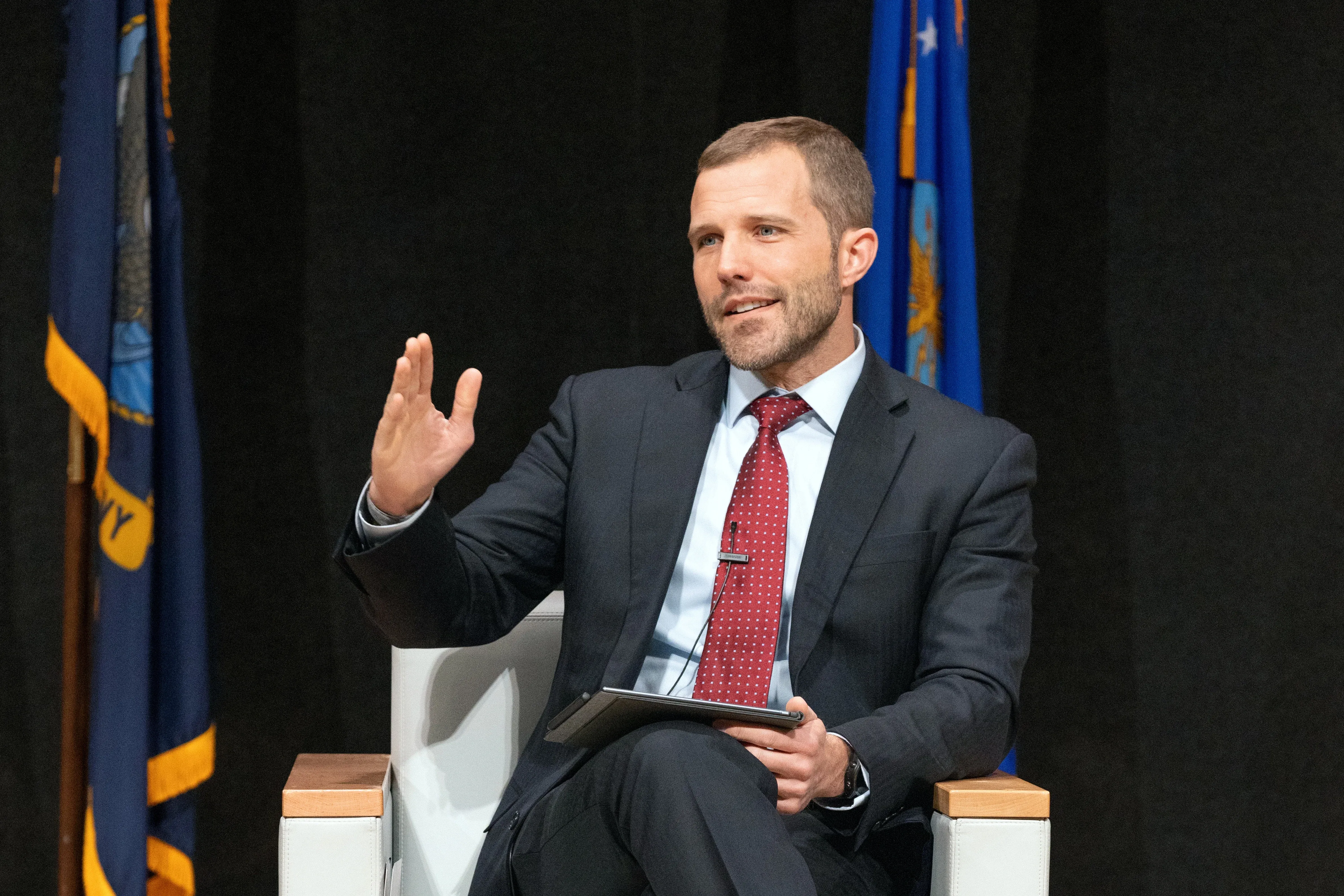
Panelists agreed that in addition to the Department of Defense, the academy should cooperate more closely with the Department of Veterans Affairs (VA) to enhance learning outcomes. VA pilot programs鈥斺�渟mall experiments鈥� to determine what works and what doesn鈥檛 for student-veterans鈥攁re one approach. Academic leaders are also encouraged to play a more direct role in shaping student-veteran legislation. 鈥淲e have an obligation to make sure that every member of our veteran community can reach their unique, full potential,鈥� said University of Montana President Seth Bodnar, a U.S. Army veteran.
Fostering a Sense of Community
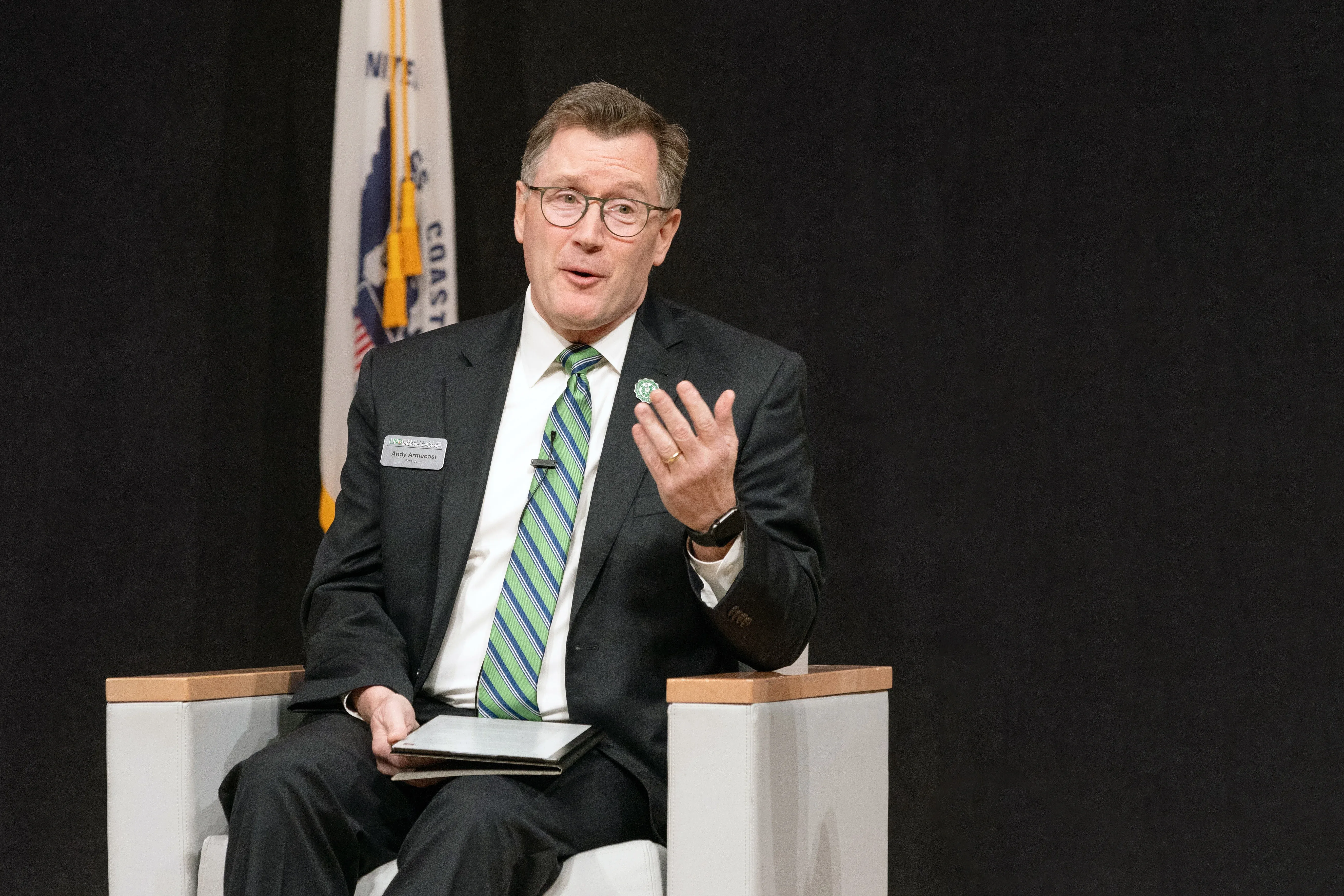
Despite the success of the post-9/11 G.I. Bill, veterans remain a minority on college campuses. Therefore, organizations like (SVA), whose 1,400 chapters represent more than 600,000 participants, are poised to support educational advancement and career growth. 鈥淭hese organizations also foster a sense of community,鈥� said Kori Schake, a senior fellow at the American Enterprise Institute. University of North Dakota President Andrew Armacost (pictured) concurred, noting the 鈥渋ncredible collection鈥� of leaders at the summit. 鈥淚 look forward to seeing the impact that our collaboration will have on veterans and active-duty members,鈥� added the retired U.S. Air Force brigadier general.
An Ecosystem of Exchange
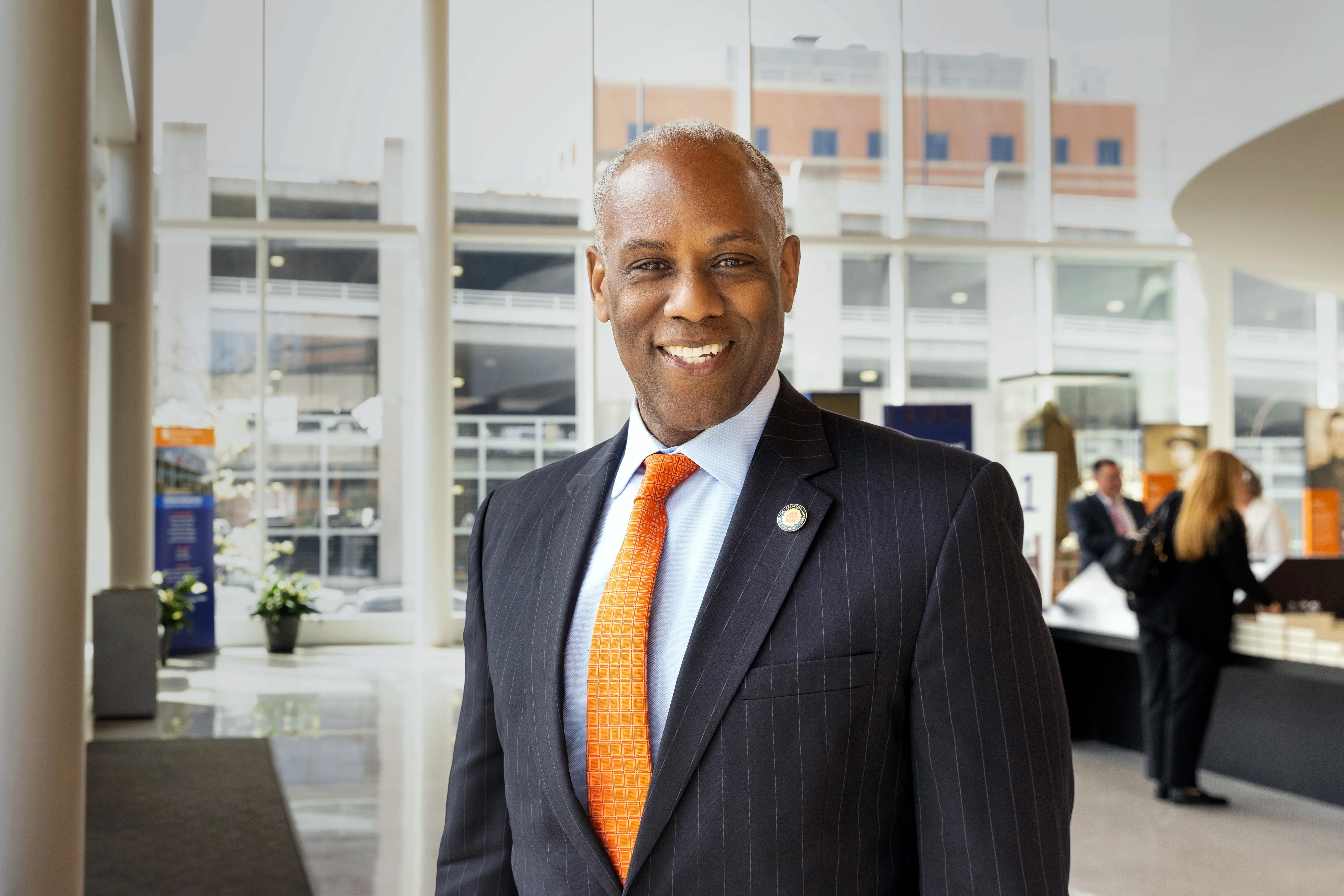
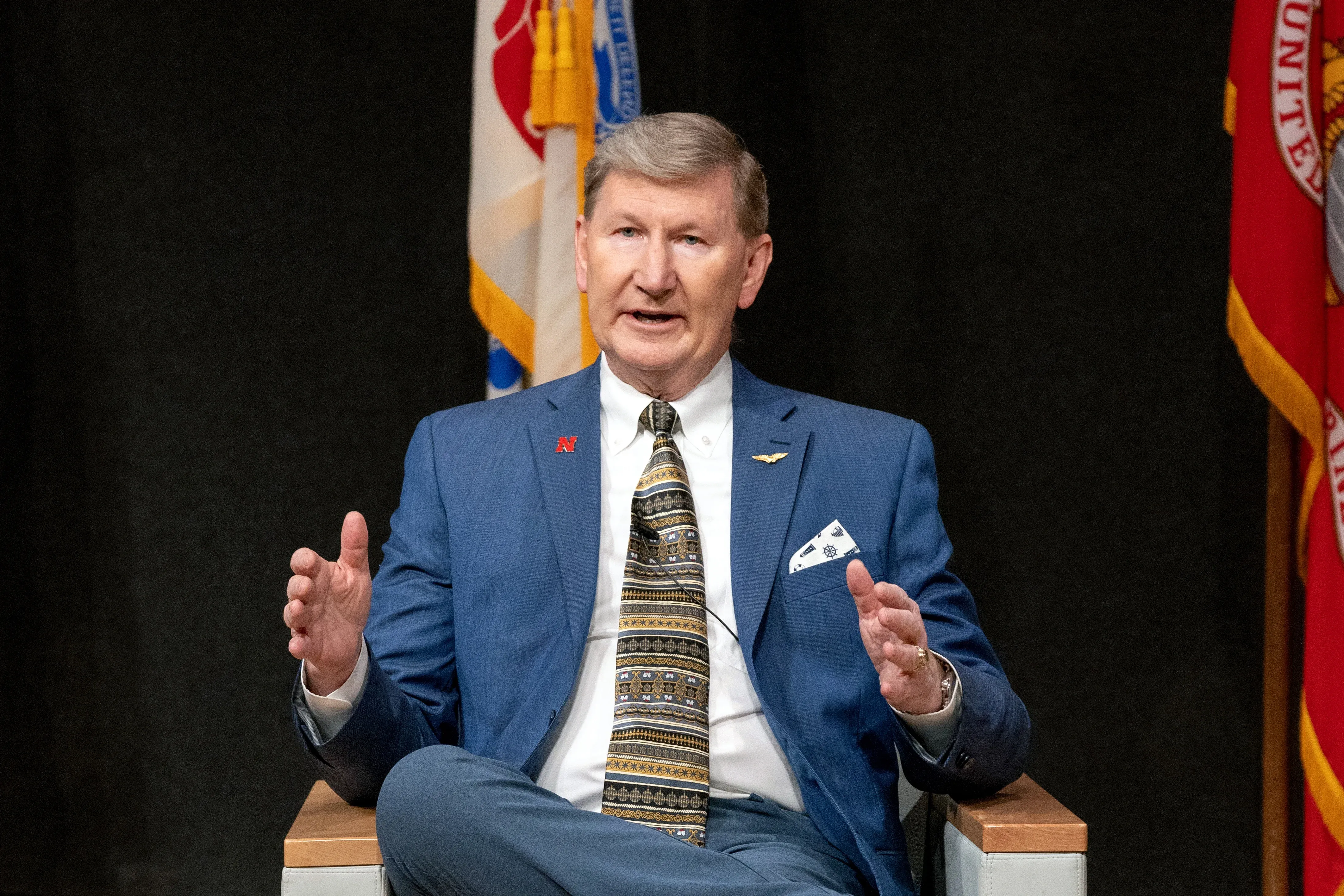
A skills gap and labor shortage, combined with an impending demographic cliff, is forcing academia, the military and the workforce to rethink how to collaborate. 鈥淲e need a nonlinear ecosystem of exchange, where each sector takes a noncompetitive approach to human capital development,鈥� advised Brent Orrell, a senior fellow at the American Enterprise Institute. University of Nebraska System President Ted Carter (pictured) compared the situation to a nuclear-powered aircraft carrier, which, despite its size, can complete a 360-degree rotation in two minutes. 鈥淭he pandemic has been an accelerant, proving that we can adapt quickly,鈥� said the retired U.S. Navy vice admiral.